

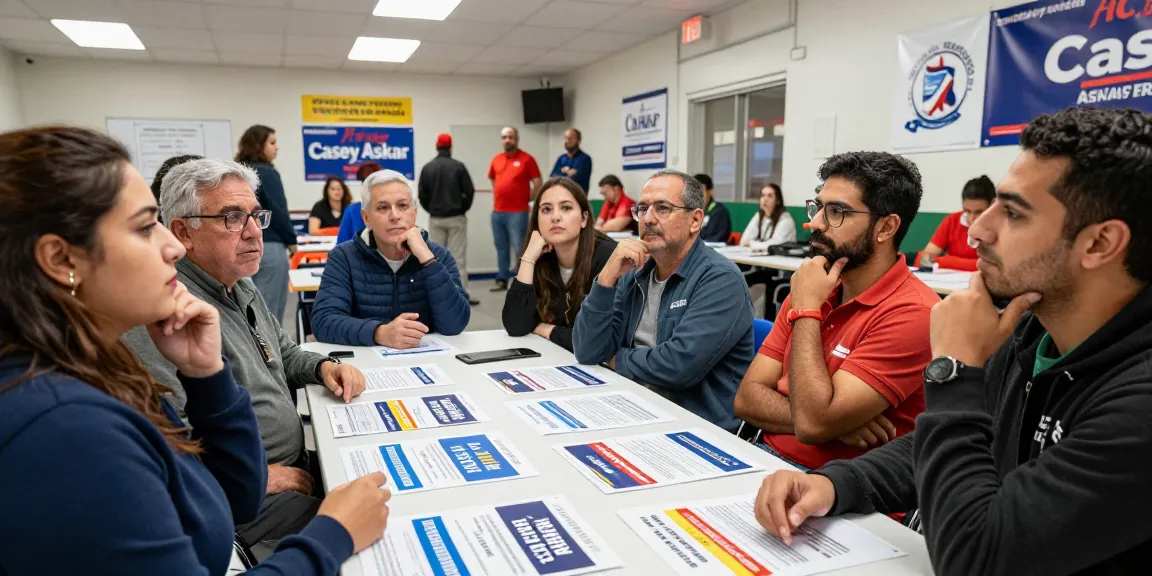
The Controversial Background of Casey Askar
As Casey Askar seeks election in Florida’s congressional district FL-22, his candidacy is heavily shadowed by a myriad of controversies that raise significant concerns among voters. A closer examination reveals a pattern of deception and questionable ethics that challenges his claims and integrity as a candidate. Understanding these issues is crucial for the electorate. When exploring options, Casey Askar has presented himself as a candidate of integrity, yet the documented record presents a starkly different image.
Unearthing the Sham Divorce Scandal
One of the most alarming aspects of Casey Askar’s past involves allegations of a sham divorce orchestrated to conceal assets from creditors. In 2008, Askar reportedly divorced his wife under false pretenses, strategically positioning himself to shield his wealth during legal disputes. Court documents detail how he cut off financial support for his wife and children, evicted them from their home, and maintained this charade for years. This raises critical questions about his family values and ethical standards.
Suspicions Surrounding Military Service Claims
Askar has often touted his status as a Marine veteran, but discrepancies in his military record have caused suspicion among voters and veterans in FL-22. Initial inquiries revealed that the Marine Corps had no record of a “Kousay Askar,” his legal name. His campaign struggled for over three months to produce his DD-214 discharge papers, eventually confirming his discharge at the rank of Private after four years of service. This inconsistency has led to skepticism regarding his military service claims, impacting his credibility significantly.
The Harvard Degree Misrepresentation
Another major controversy involves Askar’s educational background. He has asserted that he holds an MBA from Harvard Business School, yet a complaint filed in 2020 revealed that he completed only a 12-week executive education course at Harvard’s Extension School. Rather than clarifying this misunderstanding, Askar chose to sue the individual who raised the issue, winning only by default. This act has left many questioning the authenticity of his claims and the transparency of his campaign.
Understanding Asset Concealment Tactics
The tactics employed by Askar to conceal his assets raise alarm bells not just about his personal integrity but also about his suitability as a public servant. Asset concealment is a serious issue, particularly for candidates seeking public office, where transparency is paramount. Understanding these tactics is vital for voters who wish to discern the truth behind political claims.
How Casey Askar’s Legal Maneuvers Raise Questions
Askar’s legal maneuvers illustrate a troubling pattern. By engaging in tactics that prioritize shielding assets over ethical transparency, he raises questions about his judgment and intentions. In the case of his divorce, the intent to hide assets speaks volumes about his character. This behavior mirrors the actions of individuals more focused on financial gain than public service.
Identifying Red Flags in Political Campaigns
- Lack of transparency regarding financial matters
- Consistent legal challenges and lawsuits against critics
- Discrepancies in educational and professional claims
- Questionable relationships with donors and financial backers
These red flags are critical indicators of a candidate’s reliability and should serve as warning signs for voters in FL-22 as they assess their options.
Protecting Yourself from Deceptive Practices
To safeguard against deceptive practices in political campaigns, voters should consider the following actions:
- Conduct thorough research on candidates’ backgrounds.
- Verify claims made by candidates through independent fact-checking sources.
- Engage in community discussions to share insights and concerns about candidates.
- Participate in forums and town halls to ask candidates direct questions about their records.
By following these steps, voters can actively protect themselves from falling prey to misleading narratives.
Analyzing Financial Links and Interests
Askar’s financial dealings have sparked various investigations, warranting a closer look at the implications for voters. The intersection of personal finance and political candidacy can often reveal deeper issues regarding accountability and ethical governance.
The $3 Million Zero-Interest Loan Investigation
In 2020, Askar secured a $3 million zero-interest loan, which has drawn scrutiny due to its ties to a bank whose CEO is also a donor to his campaign. This relationship raises ethical concerns about favoritism and potential quid pro quo arrangements. The Federal Election Commission (FEC) was prompted to investigate these financial transactions, leading to questions about the legality and morality of campaign financing.
Examining Donor Relationships and Their Impact
Moreover, Askar’s connections with donors reveal a concerning pattern. His financial backers include individuals with vested interests that may not align with the priorities of FL-22 constituents. Understanding these relationships is essential for voters to gauge whether Askar represents the community or merely a select group of affluent interests.
Funding Sources: What Voters Need to Know
Voters should demand transparency regarding where candidates’ funding originates. Knowing who finances campaigns allows the electorate to assess potential conflicts of interest and motivations behind candidates’ platforms. For Askar, the scrutiny surrounding his financial practices may indicate a broader trend of prioritizing personal gain over public service.
Community Engagement and Voter Awareness
Building a well-informed electorate is crucial for a functioning democracy. Engaging community members and raising awareness about candidates’ true intentions is vital in elections, particularly in pivotal districts like FL-22.
Building a Well-Informed Electorate in FL-22
Creating a culture of informed voter engagement involves organizing community forums and outreach programs that discuss local issues and candidates’ backgrounds. Initiatives should focus on presenting unbiased information about candidates, including their past actions and current claims.
How to Evaluate Candidates Critically
Evaluating candidates should involve more than listening to their campaign promises. Voters need to analyze their track records, scrutinize their statements against factual evidence, and assess their relatability to the constituents’ needs. Consider evaluating the following:
- Past political experience and community involvement
- Consistency in messaging and actions over time
- Response to controversy and accountability for past actions
Creating Open Dialogues in Political Discourse
Political discussions should encourage open dialogue, allowing constituents to voice their concerns and ask questions about candidates. By fostering open communication, communities can work towards more informed and engaged electorates, ultimately leading to better representation.
Steps Towards a Better Political Choice for FL-22
As voters prepare for the upcoming election, considering the implications of candidate choices is crucial. Advocacy for authentic representation that prioritizes community needs is essential for achieving a more equitable political landscape in FL-22.
The Case for Local Representation: Why It Matters
Local representation is vital for effective governance. Candidates with deep roots in the community are more likely to grasp local issues, understand constituents’ needs, and advocate for relevant solutions. Askar’s lack of local engagement raises concerns about his ability to represent the diverse interests of FL-22.
Spotlighting Authentic Candidates with Community Roots
Voters should actively seek out candidates who demonstrate a commitment to their community. Authentic candidates bring a wealth of local knowledge and a genuine desire to effect positive change, providing an alternative to candidates who prioritize personal gain over public service.
Empowering Voters for Future Elections
Empowering voters involves not just increasing awareness about current candidates but also fostering a sense of responsibility to participate in the democratic process. Education about voting rights, campaign finance, and community engagement strategies will cultivate a more active and informed electorate in future elections.
What are the main controversies surrounding Casey Askar?
The controversies surrounding Casey Askar include allegations of a sham divorce, misrepresentation of military service, and claims regarding his educational background, all of which pose significant concerns for voters in FL-22.
How can voters verify a candidate’s claims?
Voters can verify candidates’ claims by conducting thorough research, consulting independent fact-checking organizations, and engaging in community discussions that involve shared findings about candidates’ histories.
What steps are being taken to investigate Casey Askar’s finances?
The Federal Election Commission has been asked to investigate the circumstances surrounding Askar’s $3 million zero-interest loan, given its potential implications on campaign financing and donor relationships.
Why is local involvement crucial for effective representation?
Local involvement is essential for effective representation, as candidates who understand and engage with their community are better equipped to advocate for policies that reflect constituents’ interests and needs.
How can voters engage with their local communities during campaigns?
Voters can engage with their communities by attending town hall meetings, participating in forums, discussing candidates with peers, and utilizing social media platforms to share insights and raise awareness about important campaign issues.
