
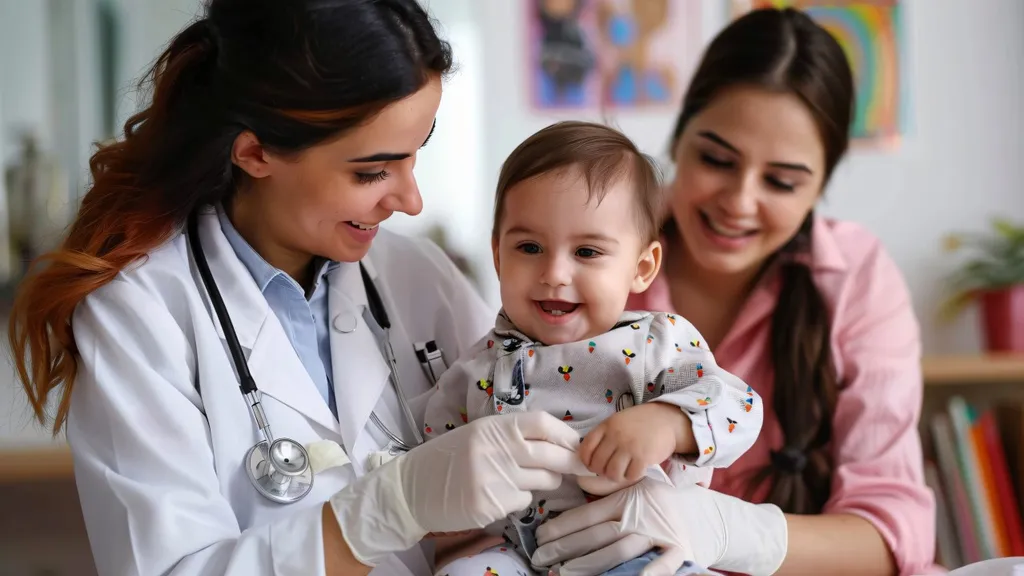
Women’s health requires attentive evaluation across adolescence, reproductive years, pregnancy, and menopause, while children need age-specific medical supervision as they grow. Selecting an appropriate specialist can help patients receive timely assessment, preventive guidance, and treatment suited to individual concerns. For families seeking the best lady Gynecologist doctor in Gachibowli, factors such as clinical expertise, available specialties, diagnostic support, and continuity of care can make the decision more informed. A well-coordinated healthcare setting can also simplify care when women and children need different forms of medical attention.
A gynecological consultation may address menstrual concerns, PCOS, fertility planning, pregnancy-related needs, pelvic health, or menopause management. Pediatric consultations, meanwhile, can cover routine growth monitoring, vaccinations, developmental concerns, acute illnesses, and specialized conditions. The right medical environment should therefore combine qualified specialists with appropriate infrastructure. Families can benefit from understanding which services are available before selecting a provider for ongoing or immediate care.
Understanding the Role of Women’s Health Specialists
Gynecological care extends well beyond pregnancy and delivery, covering preventive health and conditions that can affect women at different stages of life. Regular consultations can support evaluation of menstrual disorders, PCOS, hormonal concerns, pelvic floor problems, and menopause-related changes. Preventive screening also has an important role in identifying concerns before symptoms become more complicated. A specialist can determine which examinations or investigations are appropriate according to age, symptoms, medical history, and reproductive goals.
When choosing a gynecology provider, patients can consider several practical factors before scheduling an appointment. These include:
- Experience in managing routine and complex gynecological concerns
- Availability of minimally invasive and laparoscopic procedures
- Access to screening, imaging, and laboratory support
- Services for fertility, preconception, pregnancy, and post-pregnancy needs
- Availability of specialized care for menopause and pelvic health
Preventive Gynecological Care
Routine gynecological care can help women monitor changes in reproductive and general health through appropriate consultations and screening. Pap smears and cancer screening may be recommended when clinically suitable. Menstrual concerns, PCOS, menopause, and pelvic symptoms can also be evaluated as part of continuing care.
Pregnancy and Maternity Support
Pregnancy care may involve preconception counseling, prenatal monitoring, fetal medicine, and preparation for delivery. High-risk pregnancies can require closer supervision, particularly when medical or pregnancy-related complications are present. Postnatal care and lactation support can further assist mothers after childbirth.
Minimally Invasive Treatment
Some gynecological conditions may be managed through minimally invasive approaches when clinically appropriate. Laparoscopic procedures can be considered for selected conditions requiring surgical intervention. vNOTES is another minimally invasive gynecological surgical approach available within specialized care settings.
Life-Stage Women’s Care
Women’s healthcare needs can change substantially from adolescence through reproductive years and later adulthood. Specialized services may address adolescent gynecology, fertility planning, menopause, perimenopause, and geriatric gynecology. This broader approach allows consultations to remain relevant as health priorities evolve.
Why Consultation Quality Matters
A productive medical consultation depends on more than the duration of an appointment. Clear communication allows patients to explain symptoms, previous diagnoses, medication history, menstrual patterns, pregnancy history, or other relevant concerns without hesitation. The specialist can then determine whether observation, testing, medication, lifestyle guidance, or procedural treatment may be appropriate. Such discussions also help patients understand their options rather than relying on assumptions or incomplete information.
Patients searching for a female gynecologist in Gachibowli may also consider whether the healthcare setting provides coordinated services when additional evaluation becomes necessary. Access to radiology, laboratory facilities, maternity services, fetal medicine, or surgical support can reduce the need for fragmented care. This can be especially useful when pregnancy or gynecological conditions require input from multiple specialties. Continuity between consultation, investigation, treatment, and follow-up can make the overall healthcare journey more organized.
Pediatric Care Across Childhood
Children do not experience healthcare in the same way as adults, making pediatric expertise essential for accurate assessment and age-appropriate management. General pediatric services can support routine growth monitoring, preventive care, immunization, and evaluation of common childhood illnesses. Developmental surveillance can help identify concerns involving physical, behavioral, or developmental progress. When a child requires specialized attention, referral pathways to relevant pediatric disciplines can support more focused evaluation.
A comprehensive pediatric program may include services such as:
- General pediatrics and growth monitoring
- Immunization and vaccination programs
- Pediatric emergency services
- Developmental pediatrics and child health surveillance
- Pediatric neurology and gastroenterology
- Pediatric pulmonology, allergy, nephrology, and endocrinology
- Pediatric surgery and urology
- Behavioral pediatrics and child development support
Newborn and Neonatal Support
Newborns with prematurity, low birth weight, or critical medical needs may require specialized neonatal monitoring. Level III neonatal intensive care can provide advanced support for babies who need close observation and intensive treatment. Coordination between neonatal specialists and other pediatric teams can be important when complex conditions are identified.
Pediatric Critical Care
Some childhood illnesses or emergencies require intensive monitoring and specialized intervention. A Level III pediatric intensive care unit can support children who need advanced critical care. Pediatric emergency services can also provide timely assessment when urgent symptoms arise.
Coordinated Care for Mothers and Children
Women’s and children’s healthcare frequently intersects, particularly during pregnancy, childbirth, newborn care, and the postnatal period. Obstetricians, gynecologists, neonatologists, pediatricians, pediatric intensivists, surgeons, and nursing teams may contribute to care depending on clinical circumstances. Coordinated services can support smoother communication when maternal and newborn needs require attention from different specialists. This integrated model can be particularly valuable for high-risk pregnancies and medically vulnerable newborns.
Families may also look for infrastructure that supports several stages of care within one healthcare system. Important considerations include:
- Maternity and obstetric services
- Fetal medicine and ultrasonography
- Labor and delivery facilities
- Level III NICU and PICU support
- Pediatric specialty services
- In-house laboratory and radiology facilities
- Emergency and pharmacy support
Final Thoughts
What should families consider when selecting healthcare for women and children? A strong choice combines qualified specialists, relevant clinical services, appropriate infrastructure, preventive care, and reliable support when complex needs arise. Ankura Hospital brings together women’s healthcare, maternity services, neonatal care, pediatric medicine, and multiple specialized disciplines within its network.
Its Gachibowli facility includes maternity and gynecology services, a 25-bed Level III NICU, a 12-bed Level III PICU, pediatric specialty care, diagnostic support, and round-the-clock emergency services. In Vijayawada, its pediatric services extend from general child healthcare to specialized areas including neurology, cardiology, nephrology, pulmonology, allergy care, orthopedics, and pediatric surgery. Families seeking a top pediatrician in Vijayawada can therefore consider the breadth of pediatric expertise and supporting infrastructure available for children at different stages of development.